
Excel vs EPM
When Spreadsheets Stop Workings
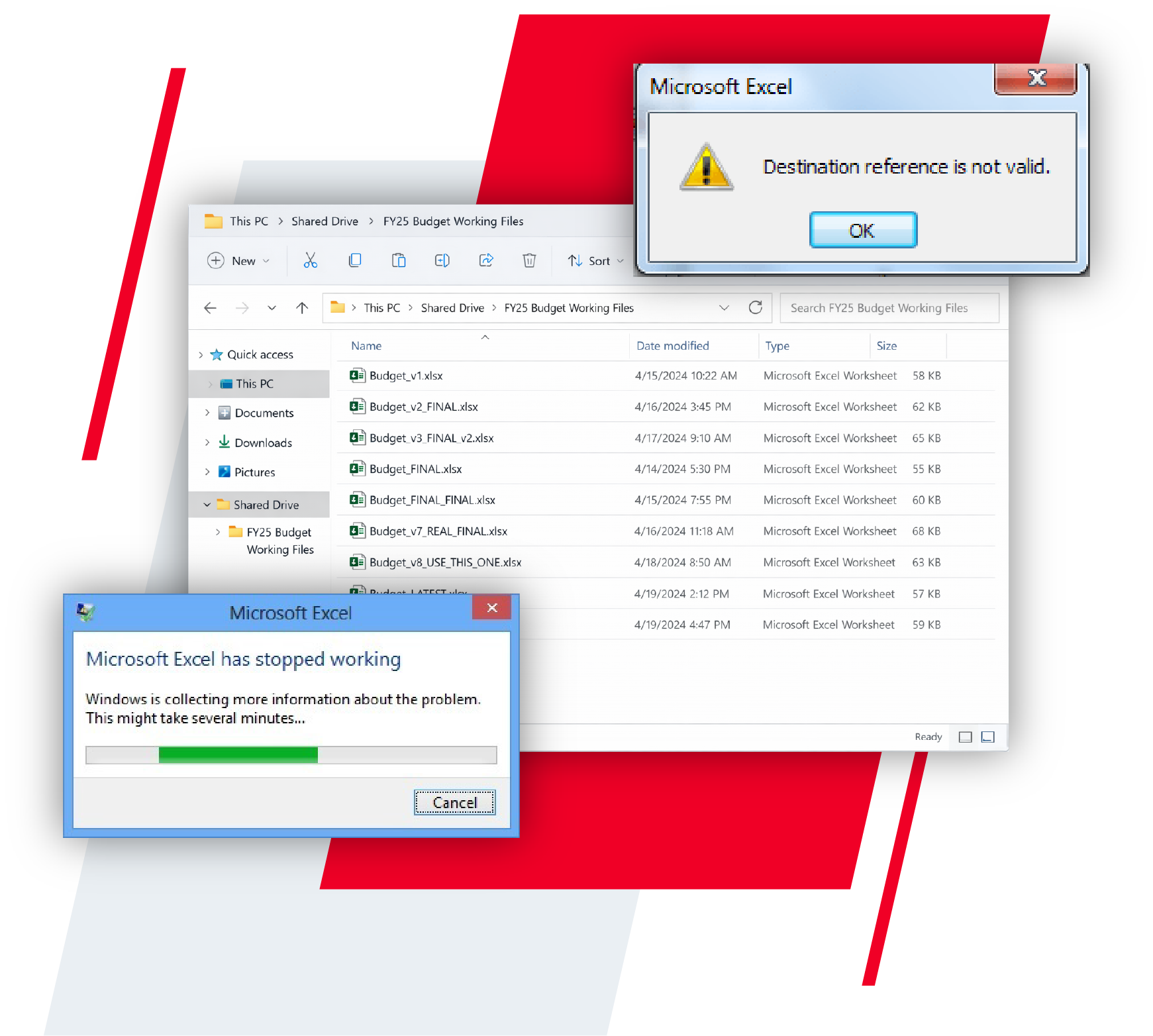
When Finance and Ops plans start relying on more people, more inputs, and more handoffs, extra steps get bolted on.
Files multiply, expectations rise, and what used to be a simple process starts to feel overloaded. If any of this feels familiar, don’t worry, you’re not alone.
These are the shared pressure points we see most often in Finance and FP&A teams, based on what our clients experienced before they decided it was time to change how planning works:
- Collaboration challenges
- The time split
- Version control
- Holding back the unknown
- Flexibility
How did your most recent planning round go?
Did it run smoothly, or did it take more chasing, reconciling and late nights than you’d like?
If it felt heavier than it should, that’s where Plan Assist can help. Book a short call and we’ll talk through what you’re seeing and where the biggest wins usually are.

Trusted by


















KEEP FINANCE IN THE DRIVER’S SEAT AS YOU SCALE
As the business grows, it’s worth taking a step back and asking a simple question. Is Excel still helping Finance and FP&A move quickly, or is it starting to slow the team down?
Most Finance teams have a real love for Excel. It’s familiar, flexible, and it feels like control. So when the conversation turns to a planning platform, the biggest concern is understandable. Will we lose ownership? Will this end up owned by IT? Will we still be able to see and trust what’s happening underneath?
Done properly, that fear doesn’t hold ‣ The right planning approach keeps ownership with Finance, improves control, and makes the process easier to run with a wider team. IT can support where needed, but Finance stays accountable for the model, the assumptions, and the outcomes.
That’s the standard Plan Assist works to ‣ We help Finance teams move forward without giving up the driver’s seat, choosing what’s needed to help continue to scale the business, and keeping ownership firmly within Finance throughout.

WHEN PLANNING SCALES, EPM BRINGS RESULTS YOU CAN STAND BEHIND
When planning becomes shared across Finance and Ops, with more inputs, more entities, and more change, spreadsheets start to strain.
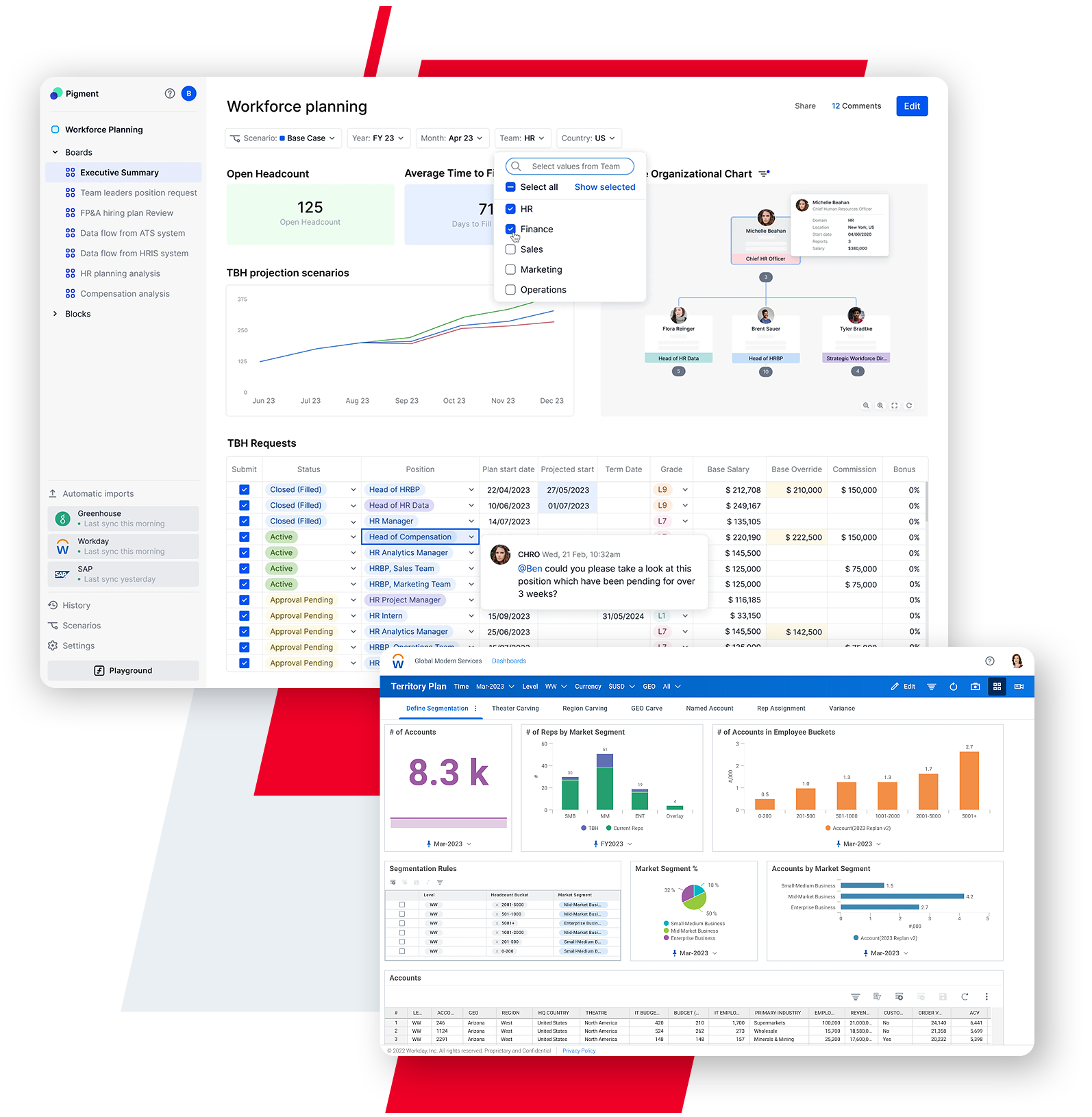
Good EPM keeps what works in Excel, but takes the heavy lifting out of fragile workbooks and puts it into one shared model the whole team can trust.
Forecasts you can stand behind ‣ Fewer caveats. Less rework. Clear scenarios and assumptions that hold up in a room full of stakeholders and support better decisions.
Faster cycles, without the heroics ‣ Close, budget, and forecast stop relying on late nights and manual consolidation. Timelines become more predictable because the process is run through clear steps, not email chains.
A performance model that scales with the business ‣ As entities, products, and channels grow, the model stays clean. Definitions stay aligned, drivers stay consistent, and reporting stays connected back to the number’s underneath.
Your best people back on high-value work ‣ Less time fixing files and reconciling versions. More time analysing, advising, and improving performance. It’s a setup that supports strong Finance teams and helps you keep them.



KEEP EXCEL WHERE IT WORKS, MOVE FORWARD WITH CONFIDENCE
We’ve shared seven early indicators that spreadsheets may be starting to hold planning back ‣ If a few of them feel familiar, we can help you turn that insight into a clear next step, including guidance on what to look for when choosing the right planning tool, without the sales pitch.
What sets Plan Assist apart is simple ‣ Our team has done the job. We’ve worked in FP&A, lived the handoffs, the version control headaches, and the month-end pressure. We work alongside ambitious teams who want planning to run better day to day, not just look good on paper. And we take pride in delivering quality work, with quality clients, who care about getting it right.
We also believe there’s a better way to implement change ‣ We act as a hands-on partner, working alongside solution architects, so the approach fits the way your business actually runs. The goal is always the same: reduce frustration, give teams time back, and build a setup that people understand and can run confidently themselves.
If you’d like support taking the next step in planning ‣ Book a short call and we’ll talk through what you’re seeing and where the biggest wins usually are.
WHERE OUR TEAM
MEETS YOURS
Plan Assist have years of experience helping mid to large enterprises move beyond offline, spreadsheet-heavy planning in a practical way.
We work with you, together, to understand how planning runs today, agree what to keep, what to simplify, and what a sensible next step looks like.
FAQs TUNED FOR SUCCESS
We love Excel. Do we have to give it up?
No. Excel stays brilliant for analysis, modelling, and ad hoc work. The shift is that Excel stops being the place the whole organisation relies on for “the final number”. Planning becomes a shared process with one trusted model, while Excel stays in the mix where it genuinely helps.
What actually causes “spreadsheet chaos” in Finance and FP&A?
Aren’t all planning tools basically the same?
Not really. Tools vary a lot in how they handle modelling, workflows, audit trails, reporting, and how much ongoing effort they need to run. The “best” option depends on your use case, complexity, and the size of the team using it. A key principle for us is simple: the right approach should be Finance-owned, not reliant on IT-heavy builds to make everyday planning work.
Can Finance still own the process and the model?
Yes, and it should. Done properly, Finance keeps ownership of the model, assumptions, and outcomes. IT can support integrations and access where needed, but day-to-day planning should sit with Finance and FP&A. The goal is more control, not less, with clearer ownership and fewer dependencies.
How does this improve version control and “who changed what”?
Instead of emailing files and duplicating workbooks, planning runs from one shared model. Inputs are managed, the process follows clear steps, and changes are traceable. So when numbers are agreed, they stay agreed, and you can see what changed, when, and why.
How do we know if it’s time to review our planning approach?
What improves first when teams make this shift?
What happens on a call with Plan Assist?
Book a short call
We’ll listen, share a few practical insights, and help you leave with clearer options.
info@theplanassist.com
+44 (0) 207 459 4730
© Plan Assist – All Rights Reserved.
PLAN ASSIST LTD is a company registered in England and Wales (Company Number 15015719). Registered address: 68 King William Street, London, EC4N 7HR